
Ductless Mini Split Installation in Rhode Island: What to Expect Start to Finish
If you live in Rhode Island, you know the weather has a mind of its own. One minute, you are sweltering in thick, muggy humidity; the next, a nor’easter is rattling the windows with freezing rain. For homeowners in historic New England properties think charming Capes and sturdy Colonials keeping the indoors comfortable against these extremes is often a battle.
Older homes typically lack the ductwork needed for central air, leaving residents relying on noisy window units or inefficient space heaters. This is where ductless mini splits come in. They have rapidly become the preferred solution for efficient, whisper quiet climate control without the mess of a major renovation.
But what does the actual installation process look like? If you are considering a ductless mini split installation in Rhode Island, you probably have questions about the disruption to your home and daily routine. This guide walks you through every step of the journey, from that initial phone call to the final wave goodbye from your technician. By the end, you will know exactly how the consultation works, what happens on installation day, and how to take advantage of local rebates.
Phase 1: The Site Assessment and System Design
Contrary to what some internet tutorials might suggest, installing a mini split isn’t a weekend DIY project. It requires handling refrigerant, electrical wiring, and precise load calculations. That starts with a professional site assessment.
A qualified technician will visit your home to determine the right size for your unit. This isn’t a guessing game. Pros use a “Manual J” calculation, which is an industry standard formula that considers your home’s square footage, insulation levels, window quality, and even the direction your house faces. This calculation measures heat loss in the winter and heat gain in the summer, ensuring you don’t end up with a system that is too weak to keep up or too powerful that it cycles on and off constantly (wasting energy).
Designing Your Comfort
During this phase, you will also collaborate on the aesthetics. You and the technician will discuss the best placement for the indoor units, often called “heads.”
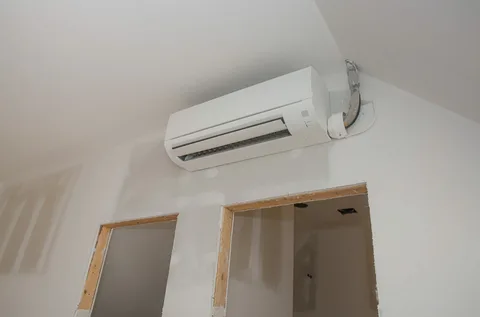
- Wall mounted units are the most common and are typically placed high on a wall.
- Floor mounted units sit low, similar to a radiator, which is great for rooms with slanted ceilings.
- Recessed cassettes fit flush into the ceiling for a seamless look.
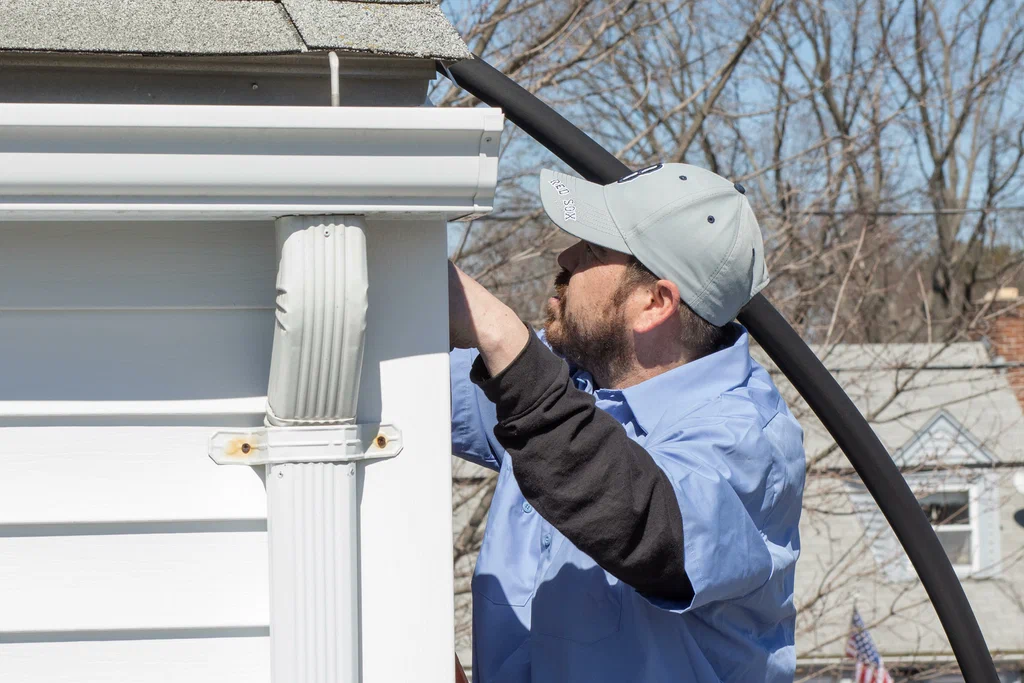
The technician will also plan the route for the “line set” the bundle of copper tubing and wires connecting the indoor and outdoor units. A thoughtful installer plans this route carefully to ensure the exterior of your home remains neat, often hiding lines behind downspouts or using color matched covers.
Phase 2: The Installation Day
On the big day, you can usually expect the crew to arrive in the morning, ready to work. Professional installers respect your home, so the first step is almost always prep work. They will lay down drop cloths to protect your floors and furniture from dust and boots.
Expert New Equipment Installs for Reliable Performance
Upgrading your home’s heating or cooling system has never been easier with our professional new equipment installs. Our skilled technicians ensure every installation is done safely, efficiently, and according to manufacturer specifications. From furnaces and boilers to air conditioners and water heaters, we handle it all. Choosing our team for new equipment installs guarantees optimal system performance, energy efficiency, and peace of mind, so you can enjoy consistent comfort year-round without any hassle.
The Process: Step by Step
Once the area is prepped, the actual labor begins. It is surprisingly non invasive compared to installing traditional ducts.
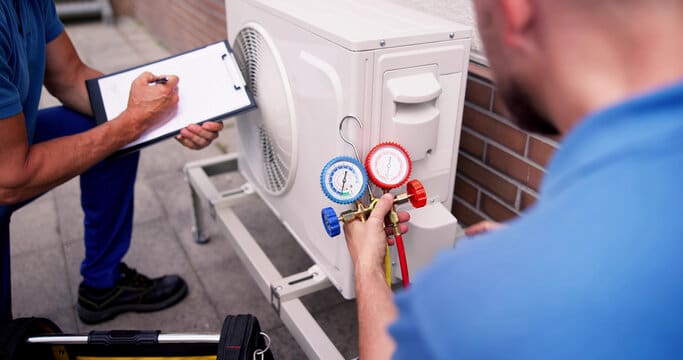
- Drilling the hole: The installer needs to connect the indoor unit to the outdoor condenser. This requires drilling a small, three inch hole through the exterior wall. It’s a precise cut that creates minimal dust and requires no major demolition.
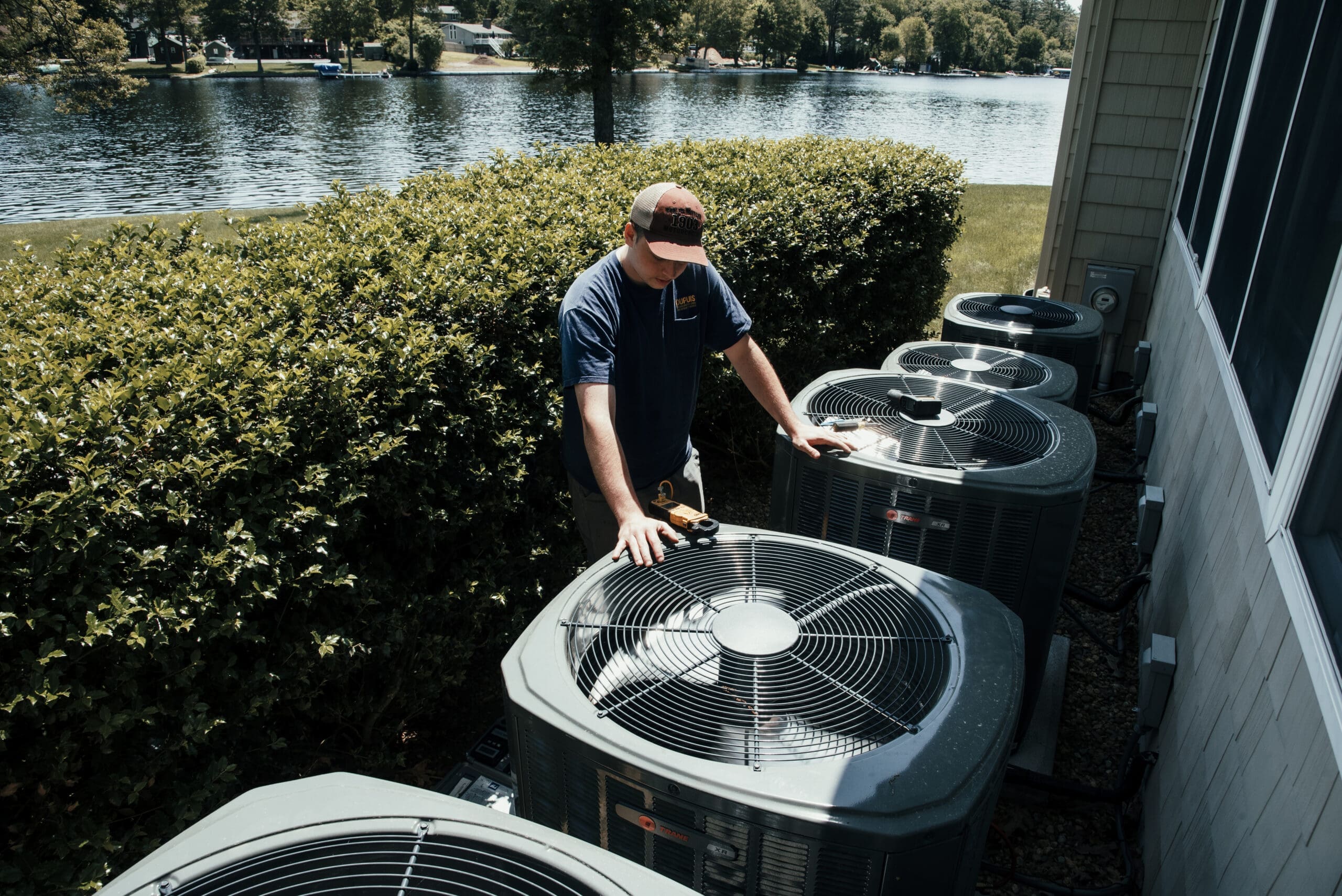
- Mounting the units: The indoor air handler is secured to a mounting plate on your wall. Meanwhile, the outdoor condenser is placed on a concrete pad or mounted to the side of the house on brackets to keep it safe from snow accumulation.
- Running the lines: The technician feeds the refrigerant lines, drain tube, and electrical wiring through the hole, connecting the two units. These lines are then encased in a protective cover on the outside of your house to keep them safe from the elements.
How Long Does It Take?
Time is money, and nobody wants contractors in their house for weeks. Fortunately, a ductless mini split installation in Rhode Island is quick. For a single zone system (one indoor unit and one outdoor unit), the work is typically finished in a single day. If you are opting for a multi zone system to heat and cool the whole house, plan for 2 to 3 days.
Phase 3: Testing, Cleanup, and Hand Off
The physical installation is done, but the job isn’t over yet. Before the system is fired up, the technician performs a pressure test. They fill the refrigerant lines with nitrogen to ensure the system is completely sealed and leak free. Once the pressure holds steady, they vacuum the lines to remove moisture and air before releasing the refrigerant.
The Walkthrough
Now comes the fun part: turning it on. The installer will hand you the remote control and walk you through the features. You will learn how to:
- Switch between heating, cooling, and dehumidifying modes.
- Adjust the fan speed and vane direction.
- Access and clean the reusable air filters.
The “White Glove” Cleanup
A reputable installation company leaves your home cleaner than they found it. All packaging, dust, and debris should be removed. You shouldn’t have to vacuum after they leave.
Rhode Island Rebates and Incentives
One of the biggest advantages for local homeowners is the financial support available for energy efficient upgrades. Because heat pumps are an eco friendly alternative to oil and gas, they often qualify for significant incentives.
Rhode Island Energy frequently offers rebates for high efficiency heating and cooling equipment. Additionally, federal tax credits introduced by the Inflation Reduction Act can offset a portion of the installation cost. Navigating these forms can be tricky, but many professional HVAC companies in Rhode Island will help you handle the paperwork to ensure you get every dollar you are owed.
Frequently Asked Questions
How long does a ductless mini split installation take?
For a single zone unit, the installation typically takes just one day. If you are installing a multi zone system for the entire home, expect the process to take between two and three days.
Will the installation damage my walls?
No, the impact is minimal. The system only requires a small, three inch hole to run the line set, which is sealed and covered professionally. There is no need to tear open walls or build bulkheads as you would with traditional ductwork.
Is a permit required for installation in RI?
Yes, mechanical and electrical work generally requires a permit. However, when you hire a professional installer, they handle the permitting process with the local town or city hall on your behalf.
Can I heat my whole house with ductless units?
Absolutely. Modern ductless systems are designed for cold climates and can effectively heat a whole home, even when outside temperatures drop well below freezing. You just need a multi zone design tailored to your specific layout.
Stop Fighting the Weather
Installing a ductless system is one of the smartest investments you can make for a New England home. It removes the stress of window units, eliminates the noise of old furnaces, and gives you precise temperature control in the rooms you use most. The process is fast, clean, and far less disruptive than installing central air.
Don’t suffer through another humid summer or drafty winter. If you are ready to upgrade your comfort, schedule an in home consultation today to see if a ductless mini split is the right fit for your Rhode Island home.
Call Dupuis Energy now at (401) 262-8006 or send us a message online.