
HVAC Maintenance Checklist for Rhode Island Winters
If you have lived in the Ocean State for any length of time, you know the weather has a mind of its own. One day, you are enjoying a crisp, sunny walk along the Cliff Walk in Newport, and the next, you are bracing for a freezing Nor’easter that knocks out power and buries your driveway. The shift from mild autumn days to bitter winter nights often happens faster than we anticipate, leaving little time to prepare our homes for the deep freeze.
The absolute worst time to discover your heating system isn’t working is 2:00 AM on the coldest night of January. Waking up to a freezing house isn’t just uncomfortable; it can be dangerous for your family and costly for your wallet. Emergency repairs often come with premium price tags, and during peak season, local technicians are booked solid. You don’t want to be stuck on a waiting list while the temperature inside your home steadily drops.
Proactive care is the only way to ensure your furnace or heat pump is ready to tackle whatever this winter throws at it. By taking steps now, you can improve efficiency, reduce the risk of breakdowns, and keep your home cozy all season long. This guide provides the essential checklist for HVAC maintenance Rhode Island homeowners need to follow, covering simple DIY tasks, what professionals handle, and why a service plan might be your best defense against the New England chill.
Why RI Winters Are Tough on Your HVAC System
Rhode Island winters present a unique set of challenges that go beyond simple temperature drops. Our geography plays a significant role in how hard your heating equipment has to work. The famous humidity doesn’t disappear just because it gets cold; damp cold feels more penetrating, forcing systems to work harder to make indoor air feel comfortable.
For those living closer to the coast whether in Narragansett, Warwick, or Bristol salt air is a silent killer of outdoor equipment. The saline in the air accelerates corrosion on metal components, particularly on outdoor heat pump units. When you combine this with the rapid temperature fluctuations common in New England, where temps can swing 30 degrees in 24 hours, your system undergoes significant thermal stress. Metal expands and contracts, electrical connections loosen, and components wear down faster than they would in a more stable climate.
Efficiency is another major concern. New England has some of the highest utility rates in the country. A system that is struggling against wear and tear or clogged filters will run longer to reach the set temperature. This inefficiency drives up your monthly bills significantly. Proper maintenance isn’t just about preventing breakdowns; it is about ensuring your hard earned money isn’t wasted on energy that goes right out the window.
Your DIY Homeowner Checklist
While some tasks require a licensed professional, there is plenty you can do yourself to prepare your home for winter. Tackling these simple chores before the snow flies can solve small problems before they become major headaches.
Check and Change Filters
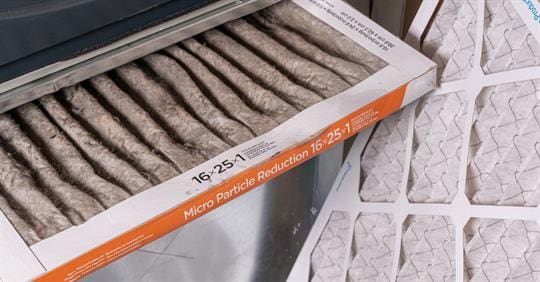
This is the single most important thing a homeowner can do. A dirty, clogged filter restricts airflow, forcing your blower motor to work overtime. This strain can lead to overheating and premature system failure. During heavy use months, check your filter every 30 days. If it looks gray and dusty, swap it out. It is a cheap fix that saves expensive repairs.
Clear Vents and Registers
Walk through your home and check every supply and return vent. It is common for furniture, heavy curtains, or area rugs to accidentally cover these openings over time. If the heat can’t get into the room, your system will keep running, trying unsuccessfully to raise the temperature. Ensuring clear airflow helps your system run shorter, more effective cycles.
Inspect the Outdoor Unit
If you rely on a heat pump or a ductless mini split system, your outdoor unit needs attention too. Autumn leaves, twigs, and eventually drifting snow can block the unit, hindering the heat exchange process. Clear away any vegetation or debris from around the perimeter of the unit. During winter storms, make it a habit to gently brush snow off the unit to keep it breathing freely.
Test the Thermostat
Your thermostat is the brain of your HVAC operation. If it is reading the temperature incorrectly, your house will never feel right. Replace the batteries if your unit uses them. You can also do a simple calibration test by placing an accurate thermometer next to the thermostat and comparing the readings after 15 minutes. If they are off by more than a few degrees, it might be time for an upgrade.
Listen for Strange Noises
Before the cold really sets in, turn your heat on and just listen. Go to the furnace or boiler room and stand there for a full cycle. You know what your system usually sounds like. If you hear banging, clanking, squealing, or rattling, something is loose or broken. Catching these auditory clues early allows you to call for Rhode Island heating repair before the system fails completely.
The Professional Tune Up: What Experts Do
DIY checks are vital, but they don’t replace the need for a certified technician. Modern heating systems are complex machines involving high voltage, combustible gases, and intricate circuitry. A professional furnace tune up in RI goes deep into the mechanics of your system to ensure safety and performance.
Electrical Connection Inspection
Vibrations from normal operation can cause electrical wires to loosen over time. A technician will tighten all connections and measure voltage and current on motors. Loose connections can cause unsafe operation and are a leading cause of component failure and even electrical fires.
Lubricating Moving Parts
Friction is the enemy of any mechanical system. Parts that lack lubrication cause resistance in motors, increasing the amount of electricity you use and causing equipment to wear out far too quickly. Professionals apply the correct lubricants to bearings and motors to ensure smooth, quiet operation.
Checking the Heat Exchanger
For homes with gas or oil furnaces, this is a critical safety check. The heat exchanger is the component that separates the combustion process from the air you breathe. If this metal cracks due to age or overheating, it can leak deadly carbon monoxide into your home. A professional inspection identifies hairline cracks that are invisible to the untrained eye, protecting your family from a silent threat.
Blower Motor and Belt Inspection
The blower is responsible for moving the warm air through your ducts. Technicians check the blower motor for proper amperage draw and inspect the belt for signs of wear and tear. A snapped belt in the middle of a blizzard means no heat, so replacing a frayed one during a tune up is a smart preventative measure.
System Calibration
Finally, local HVAC experts will calibrate the system controls to ensure proper start up, operation, and shutdown sequences. They check the thermostat settings and the system’s safety controls to ensure everything is communicating correctly. This fine tuning ensures your system is responsive and efficient for the specific needs of your Rhode Island home.
The Benefits of a Professional Service Plan
Many homeowners view maintenance as a “one and done” annual task, but signing up for a comprehensive service plan is often the smarter financial move.
Priority Service
When a deep freeze hits Providence or Cranston, HVAC companies are flooded with calls. If you are a “will call” customer, you go to the bottom of the list. Service plan members typically receive priority scheduling. This means if your heat goes out, you skip the line and get a technician to your door faster, which is invaluable when the mercury dips below zero.
Cost Savings
Service plans usually pay for themselves. They often include the cost of the annual tune up and provide significant discounts on parts and labor for any repairs needed throughout the year. Instead of paying a premium emergency rate, plan members pay a reduced rate, keeping more money in your pocket.
Peace of Mind and Longevity
Perhaps the biggest benefit is the assurance that a professional has signed off on your system’s safety. You can sleep soundly knowing the risk of carbon monoxide leaks or electrical fires has been minimized. Furthermore, consistent professional care significantly extends the lifespan of your equipment. A furnace that is cleaned and tuned annually can last years longer than a neglected one, delaying the massive expense of a full system replacement.
Frequently Asked Questions (FAQs)
When should I schedule my winter HVAC maintenance?
The ideal time is late summer or early fall, before the first frost hits. You want to beat the rush of homeowners who wait until the first cold snap to call. However, if you missed that window, scheduling a tune up in winter is still better than skipping it entirely.
Can I skip maintenance if my system is new?
No, you shouldn’t. In fact, most manufacturer warranties require proof of annual professional maintenance to remain valid. If a part breaks and you cannot prove the system was maintained, you might be on the hook for the repair costs even if the unit is only a year old.
How often do I really need a tune up?
Industry standards recommend servicing your heating system once a year and your cooling system once a year. If you have a heat pump that handles both, it should ideally be checked every six months (once before heating season and once before cooling season).
What is the average cost of HVAC maintenance in Rhode Island?
Prices vary depending on the contractor and the complexity of your system, but a one off tune up can range significantly. Service plans often offer the best value, bundling the maintenance cost into a monthly or annual fee that includes additional perks and discounts.
Don’t Get Left in the Cold
Rhode Island winters are beautiful, but they are unforgiving to unprepared homeowners. The combination of salt air, humidity, and bitter cold puts immense stress on your heating equipment. By knocking out your DIY checklist and bringing in a professional for a thorough tune up, you ensure your home remains a warm sanctuary against the storm.
Winter arrives fast in New England, and technician schedules fill up even faster. Don’t wait until you are shivering in your living room to think about your furnace. Take action now. Sign up for a service plan or book your fall tune up today to ensure your family stays safe, warm, and comfortable all winter long.
Call Dupuis Energy now at (401) 262-8006 or send us a message online.