Furnace Repair in Rhode Island: No-Heat Causes You Can Catch Early
We’ve all had that moment of dread. You wake up on a freezing January morning in Providence or Newport, toss off the covers, and immediately regret it. The air in your bedroom feels uncomfortably crisp. You check the thermostat, and despite being set to 68, the display reads a shivering 55.
No heat scenarios are the stuff of nightmares for homeowners, especially during our harsh winters. However, these emergencies rarely happen out of the blue. In most cases, your heating system was trying to warn you for weeks maybe even months that something was wrong. Many homeowners ignore these subtle signals until the system completely fails, leading to expensive emergency calls and chilly nights.
This guide is designed to help you identify those early warning signs before you’re left in the cold. When it comes to furnace repair Rhode Island residents trust, knowing how to spot the symptoms early can save you significant money, stress, and discomfort. Here is what you need to look for to stop a breakdown in its tracks.
The Silent Killer of Heat: Dirty Air Filters
It might seem too simple to be true, but the most common cause of furnace failure is often the easiest to fix: a dirty air filter. Your furnace needs to breathe to function. When the filter becomes clogged with dust, pet dander, and debris, the system has to work twice as hard to pull air through.
This restriction causes the internal temperature of the furnace to rise rapidly. Most modern systems are equipped with a safety limit switch designed to protect the unit from damage. If the furnace gets too hot, this switch trips and shuts the burners down. You might hear the fan running, but no heat is being produced.
The Early Warning Sign:
If the airflow coming from your vents feels weak, or if your furnace seems to be running for much longer cycles to reach the set temperature, your filter is likely the culprit. You may also notice more dust settling around your home than usual.
What You Should Do:
Check your filter monthly, especially during the heavy usage months of December, January, and February. If it looks gray and fuzzy, swap it out. This simple step can prevent the system from overheating and shutting down unexpectedly.
Thermostat Glitches vs. Furnace Failure
Before you panic about a broken furnace, check the “brain” of the operation. Sometimes, the heating unit is perfectly fine, but the thermostat is failing to send the signal to turn on.
The Early Warning Sign:
Watch for a blank screen or a display that is fading in and out. Another common sign is a temperature reading that feels wildly inaccurate compared to the actual room temperature. If you bump the temperature up a few degrees and hear no click or response from the basement, the issue might be at the control panel.
Troubleshooting Steps:
- Check the batteries: If your thermostat is battery operated, swap them out.
- Check the switch: Ensure the switch hasn’t been accidentally bumped to “Cool” or “Off.”
- Check the fan setting: Switch the fan from “Auto” to “On.” If the fan kicks on, you know the furnace has power, and the issue is likely with the thermostat’s signaling or the ignition sequence.
Strange Noises: What Your Furnace is Trying to Tell You
Furnaces aren’t silent, but they should be relatively quiet. A steady hum is normal; banging, screeching, or scraping is not. These sounds are essentially your furnace crying out for help, and ignoring them usually leads to a more catastrophic (and expensive) mechanical failure.
Here is a breakdown of what those sounds usually mean:
- Squealing or Whining: This often indicates a slipped or worn blower belt. It’s a relatively easy fix if caught early but can lead to fan failure if ignored.
- Scraping or Metal on Metal Grinding: This is a serious sound. It usually means the ball bearings in the blower motor are shot. If you hear this, turn the system off immediately to prevent the motor from burning out completely.
- Banging or Booming: If you hear a loud “boom” when the furnace kicks on, this is likely delayed ignition. Gas is building up in the combustion chamber before it finally ignites, causing a small explosion. Over time, this can crack the heat exchanger, which is a dangerous and costly problem.
The Bottom Line:
If your heating system starts sounding like a percussion section, it is time to schedule furnace repair Rhode Island services immediately. Catching a worn belt is cheap; replacing a cracked heat exchanger is not.
Pilot Light and Ignition Issues
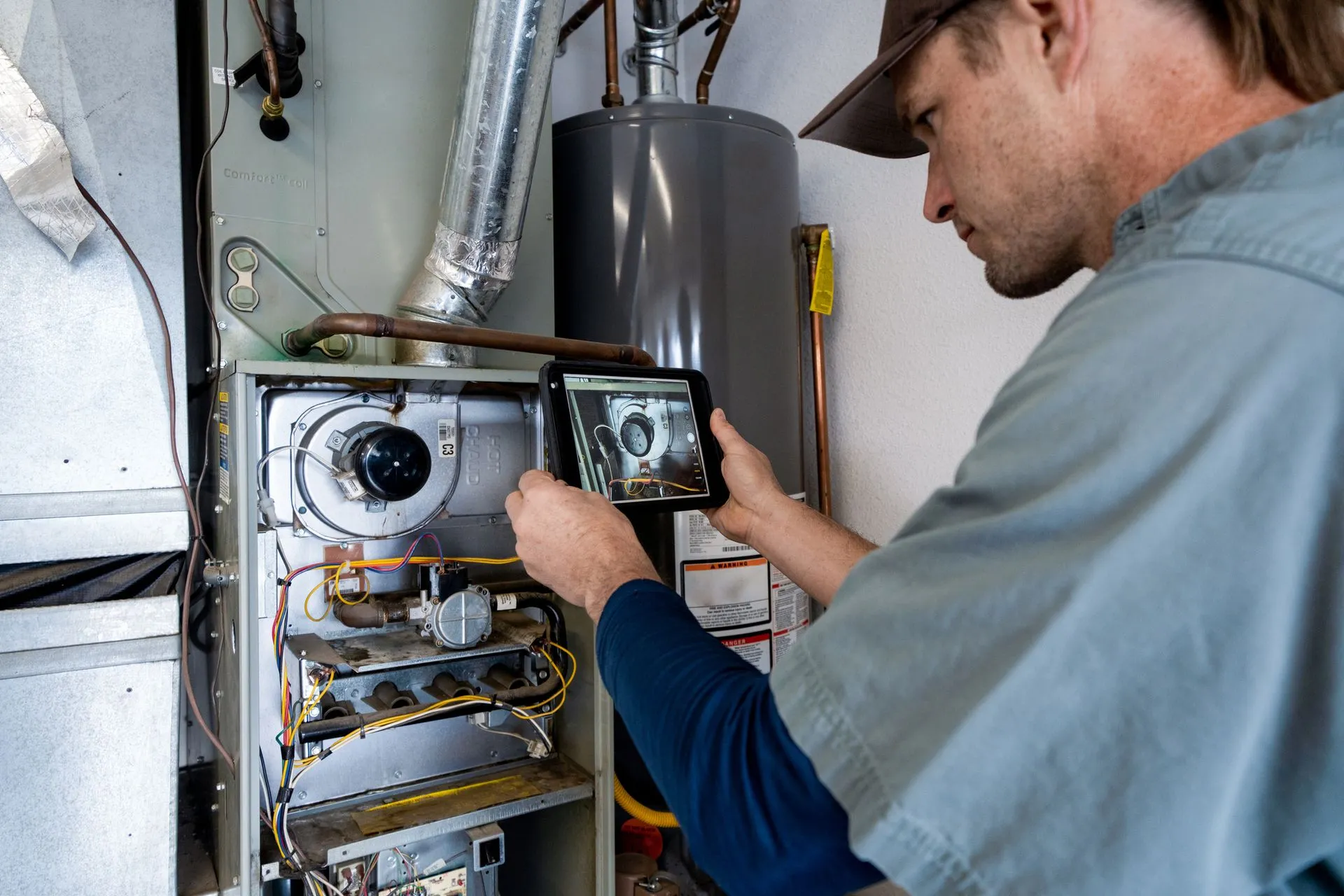
The ignition system is the heart of your furnace. Older models typically rely on a standing pilot light a small flame that burns continuously. Newer, high efficiency models use electronic ignition systems. Both can develop issues that prevent heat production.
The Early Warning Sign:
For older units, take a look at the pilot flame. It should be a crisp, strong blue. If the flame is yellow, flickering, or waving, you have a problem. A yellow flame indicates that the gas isn’t burning efficiently.
Safety Warning:
A yellow flame is a major red flag for carbon monoxide production. It means the combustion process is incomplete. If you see this, or if your pilot light refuses to stay lit, you need professional attention right away. Do not attempt to fix a combustion issue yourself.
Reliable Heating Repair Services When You Need Them Most
When your heating system malfunctions, timely assistance is crucial to keep your home warm and comfortable. Our experienced team provides fast and efficient heating repair services, addressing everything from minor issues to major system failures. We prioritize safety, accuracy, and customer satisfaction on every job. Whether it’s routine maintenance or an unexpected breakdown, you can rely on our experts to restore your system quickly and ensure it runs efficiently all season long.
Short Cycling: The Stop and Start Syndrome
Does your furnace turn on, run for about three minutes, and then shut off, only to turn back on five minutes later? This is called “short cycling.” It is incredibly inefficient and puts massive stress on the system’s components.
The Cause:
Short cycling can be caused by several issues. It might be a faulty thermostat, as mentioned earlier. It could be a clogged air filter causing the limit switch to trip. In some cases, it means the furnace is actually too big for your home, heating the space so fast that it shuts down, only for the air to cool quickly again.
The Risk:
Imagine starting and stopping your car engine every two minutes while driving on the highway. That is what short cycling does to your furnace’s starting capacitor and blower motor. If left unchecked, this “stop and start” syndrome will lead to a premature breakdown, likely on the coldest night of the year.
Why Rhode Island Winters Require Specific Care
Living in the Ocean State presents unique challenges for home heating systems. Whether you own a historic Victorian in Providence or a ranch in Warwick, our homes endure specific environmental stressors.
The coastal dampness prevalent in Rhode Island can accelerate rust and corrosion on furnace components, particularly if your unit is located in a damp basement. Furthermore, our winters are unpredictable. We often swing from 50 degree days to sub zero nights. This volatility forces your heating system to work harder to regulate temperature, leading to faster wear and tear than you might see in a climate with more consistent weather.
Because of these factors, annual maintenance is non negotiable here. A furnace in Rhode Island works much harder than one in North Carolina. Regular tune ups ensure that corrosion is caught early and that the system is calibrated to handle the drastic temperature swings typical of New England winters.
Don’t Wait for the Freeze
Your furnace is a complex machine, but it’s pretty good at communicating when it’s feeling under the weather. Whether it’s a strange noise, a yellow pilot light, or a filter that looks like a fuzzy gray blanket, these signs are your opportunity to act.
Catching a repair early is almost always cheaper than dealing with an emergency replacement in the middle of a blizzard. By paying attention to these no heat causes, you ensure your home stays warm, safe, and comfortable all winter long.
If you have noticed any of these warning signs, don’t wait for the heat to die completely. Contact our expert team for furnace repair Rhode Island homeowners rely on to stay warm this winter.
Frequently Asked Questions (FAQs)
How often should I have my furnace serviced in Rhode Island?
We strongly recommend an annual tune up. The best time to schedule this is in the early fall, before you turn the heat on for the season. This ensures your system is clean, safe, and efficient before the heavy workload of winter begins.
Why is my furnace blowing cold air?
First, check your thermostat fan setting. If it is set to “ON,” the fan will blow continuously even when the furnace isn’t heating. Switch it to “AUTO.” If it is already on Auto and blowing cold, you may have a problem with the pilot light, the flame sensor, or the gas supply.
Is it worth repairing an old furnace?
A good rule of thumb is the “50% rule.” If your furnace is over 15 years old and the cost of the repair is 50% (or more) of the cost of a new system, replacement is usually the better financial option. Older units are also less efficient, so upgrading can save you money on monthly energy bills.
Call Dupuis Energy now at (401) 262-8006 or send us a message online.