

HVAC Installation
HVAC System Installation Across Rhode Island and Southern Massachusetts
Every HVAC system has a lifespan. When yours hits the point where repairs cost more than they're worth, or it can't keep up with Rhode Island winters anymore, it's time for a replacement.
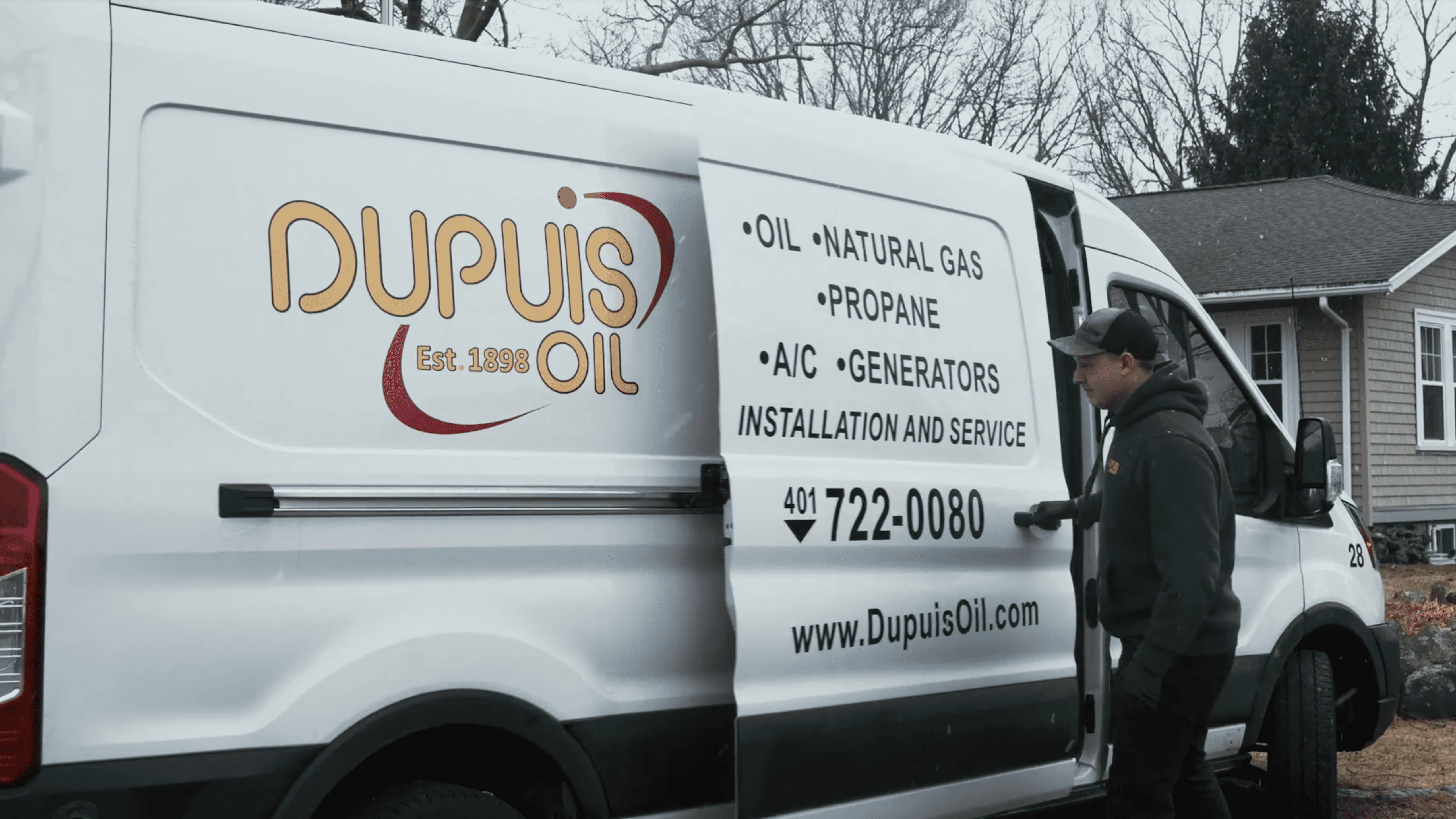
Dupuis Energy handles full HVAC installations for homes across Rhode Island and Southern Massachusetts. We work on oil-fired, gas, propane, and electric systems. Our technicians size the equipment to your home, remove the old system, install the new one, connect everything, and test it before we leave. Most residential installs are done in a single day. It's one piece of our full equipment installation work.
We've been doing this for over 125 years. Whether your home is a 1950s colonial in Pawtucket or a newer build in Coventry, we've installed systems in homes just like yours. Call 401-722-0080 for a free estimate.
Refer a Friend Credit
Have your friend mention your name as a referral when they become a Dupuis Energy customer and you'll receive a $25 credit. The more friends you sign up, the more you save.
What a New HVAC System Does for Your Home
If your current system is 15+ years old, runs constantly, or can't hold a consistent temperature, a new system changes everything. Here's what you get.
A modern high-efficiency system can use 15 to 30% less fuel than the unit it replaces. On a Rhode Island oil bill, that's real money every month from November through March.
No more hot spots, cold rooms, or fighting with the thermostat. A properly sized system distributes air evenly through every room.
New systems come with better filtration. If anyone in your home has allergies, asthma, or respiratory issues, the difference is noticeable within the first week.
A new system with a manufacturer warranty means no more patching a 20-year-old unit every winter. Your maintenance drops to one annual tune-up.
A new HVAC system is one of the top value-adds when selling a home. Buyers notice it and appraisers account for it.
When Should You Replace Your HVAC System?
HVAC systems are built to last, but not forever. Here's when replacement makes more sense than another repair.
Frequent breakdowns
Two or more repair calls in the last 12 months is the system telling you it's done. Repeated fixes just buy time until the next one.
Rising energy bills
If fuel usage is climbing but your habits haven't changed, the system is losing efficiency. Dirty heat exchangers and worn burners force it to burn more.
System is 15+ years old
Most furnaces and boilers last 15 to 25 years, AC units 12 to 15. If yours is in that range and having problems, replacement is usually the smarter investment.
Uneven temperatures
Some rooms freezing while others are warm points to a system that is oversized, undersized, or failing to distribute air. Correct sizing solves it.
Repair tops half a replacement
The rule our technicians follow: if the repair quote is more than 50% of a new system, we recommend replacement and explain why.
Not sure where you stand?
Call us for a free assessment. We'll give you an honest opinion. When repair is the better call, our service team handles it.
How We Size and Select Your New System
We don't pick a system off a shelf. Every installation starts with a load calculation based on your home's square footage, insulation, window count, ceiling height, and layout. Here's what we factor in.
Sizing
An oversized system short-cycles, wastes fuel, and wears out faster. An undersized one runs constantly and can't keep up on the coldest days. We calculate the right BTU output for your home.
Fuel Type
We install oil, gas, propane, and electric. If you already get oil or propane delivery from us, we match the system to it. Switching fuel types? We handle that conversion too.
Efficiency Ratings
Higher efficiency means lower fuel bills but a higher upfront cost. We walk you through the numbers so you can see the payback period and decide what fits your budget.
Ductwork Condition
Leaking, crushed, or undersized ducts keep a new system from performing. We inspect during the estimate and recommend fixes. No ductwork? Ductless mini-splits are often the best option.
Warranty & Service
Every system includes a manufacturer warranty. As Mitsubishi Elite Diamond Contractors, we offer 12-year factory warranties on Mitsubishi equipment, and we recommend pairing a service plan from year one.
Free In-Home Estimate
We assess your home, lay out the options, and quote before any work. Financing is available for all installations.

We Are Mitsubishi Electric Elite Diamond Contractors
As Elite Diamond Contractors, we undergo specialized training from Mitsubishi Electric to assess and install the most suitable system for your space. We also provide exclusive 12-year factory warranties and help you take full advantage of the rebates and incentives available to you.
Why Choose Dupuis Energy?
Trusted for a reason.
100% Satisfaction Guarantee
You can be confident you'll be happy when our team drives away.
Financing Options Available
Our flexible financing options support you however you'd like to pay.
Ask About the Dupuis Guarantee
We promise reliable, responsive, and dedicated service every time.
Prompt, Courteous Service
We meet your needs with timely and considerate service, every call.
HVAC Installation FAQ
How long does an HVAC installation take?
Do you offer warranties on new HVAC systems?
How much does a new HVAC system cost in Rhode Island?
Can I keep my existing ductwork with a new system?
Should I replace my furnace and AC at the same time?
Bringing Comfort to Your Doorstep
A member of our team will be in touch shortly to confirm your details or answer any questions. If you're an existing customer who needs oil or propane delivery, please order fuel directly through your online account.
HVAC Installation