
Propane Delivery in Rhode Island: Automatic Delivery vs. Will-Call (Simple Guide)
If you live in New England, you know that the weather here has a mind of its own. One day, you might be enjoying a mild, sunny afternoon, and the next, you’re digging your car out of a blizzard. It’s charming in its own way, but it also makes home heating a critical priority. When temperatures drop unexpectedly, the last thing you want is a cold house.
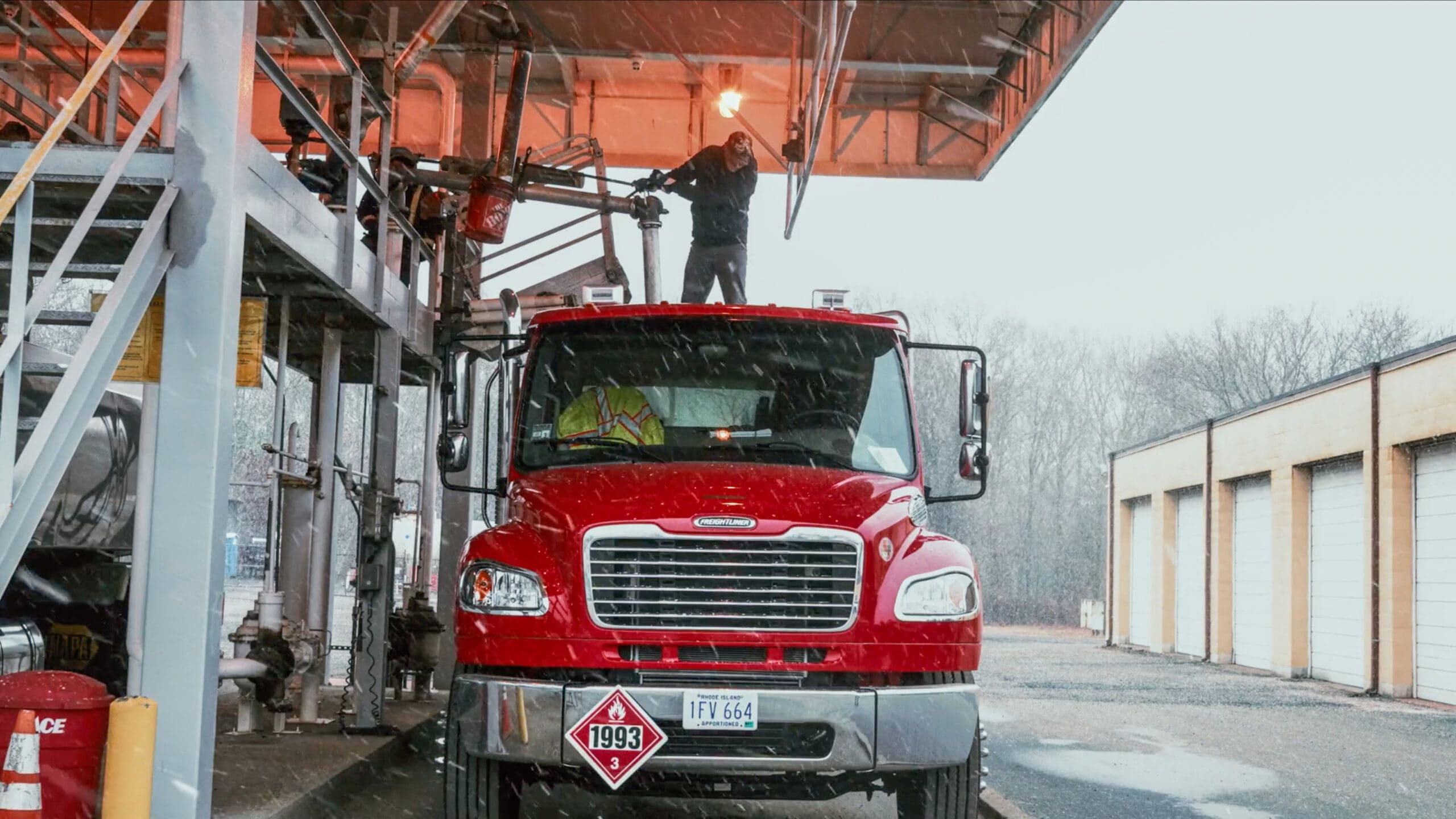
For homeowners relying on propane delivery in Rhode Island, ensuring you have enough fuel to get through our unpredictable winters is essential. But how you get that fuel matters just as much as having it. Generally, you have two main choices: Automatic Delivery and Will Call.
Both options get the job done, but they offer very different experiences. The “right” choice largely depends on your lifestyle, your organizational habits, and how much you value convenience versus control. In this guide, we’ll break down the pros and cons of each method so you can stay warm and worry free all winter long.
Option 1: What is Automatic Delivery?
Automatic Delivery is exactly what it sounds like: a hands off, stress free way to manage your home heating. Instead of you checking the tank, your provider does the heavy lifting for you.
Providers use sophisticated degree day technology combined with your home’s specific usage history to predict exactly when your tank is getting low. By tracking daily temperatures and your past consumption patterns, the system calculates when you are due for a refill and automatically schedules a delivery. You don’t need to call, email, or even look at your tank.
The “Peace of Mind” Factor
This is widely considered the best option for busy families, frequent travelers, or anyone who simply doesn’t want another “to do” list item. It effectively eliminates the risk of running out of fuel because the responsibility lies with the delivery company, not you.
Pros of Automatic Delivery
- No Monitoring Required: You can forget about tramping through the snow to check a gauge.
- Priority Service: During severe weather events or high demand periods, Automatic Delivery customers typically receive priority routing.
- Damage Prevention: By ensuring you never run out of fuel, you avoid the nightmare of frozen pipes and the expensive water damage that follows.
Cons of Automatic Delivery
- Less Schedule Control: You don’t pick the specific day the truck arrives (though, honestly, you never really have to worry about it).
- Usage Changes: If your household usage changes drastically (like a new baby or a relative moving in), you need to notify the provider so they can adjust their calculations.
For many Rhode Islanders, Automatic Delivery is the gold standard because it ensures reliable propane delivery even during the height of winter, without lifting a finger.
Option 2: What is Will Call Delivery?
On the other side of the spectrum is Will Call Delivery. In this model, the homeowner is 100% responsible for monitoring their propane tank levels and calling the provider to schedule a fuel delivery.
The “Control” Factor
Will Call is best suited for people who want total control over when they purchase fuel. It is also often the necessary choice for vacation homes or properties with highly irregular usage patterns where predictive algorithms might not be accurate.
Pros of Will Call Delivery
- Total Control: You decide exactly when to order, which can be helpful if you are trying to time purchases with cash flow.
- Good for Irregular Usage: If you use your fireplace sporadically or only heat a pool in the summer, Will Call prevents unnecessary deliveries.
Cons of Will Call Delivery
- The 30% Rule: You must remember to call when your tank gauge reads no less than 30%. This buffer is necessary to give the delivery team time to route a truck to your home before you run dry.
- Potential Fees: If you miscalculate and run out of fuel, you may face emergency delivery fees. Furthermore, safety codes often require a mandatory leak check if a tank runs dry, which is an additional cost.
- High Risk: The biggest downside is human error. Life gets busy, and if you forget to check the tank during a cold snap, you could be left without heat.
Comparison: Which Fits Your Rhode Island Lifestyle?
Still on the fence? Let’s look at how these two RI propane delivery options stack up against the realities of daily life.
- Convenience: Automatic Delivery wins here, hands down. It removes the mental load of monitoring your fuel levels.
- Budgeting: Surprisingly, Automatic Delivery often makes budgeting easier. Because deliveries are predictable, many providers allow you to pair this service with predictable pricing plans that spread your heating costs out over the year, rather than hitting you with large bills during the holidays.
- Safety: Running out of propane in a Rhode Island winter isn’t just inconvenient; it’s dangerous. No heat means risking your health and the structural integrity of your plumbing. Automatic Delivery significantly mitigates this safety risk.
How to Read Your Gauge (For Will Call Customers)
If you decide that Will Call is the right path for you, you need to know how to monitor your supply accurately. It’s not as intuitive as a car’s gas gauge, but it’s simple once you know what to look for.
- Locate the Dome: Go to your tank and lift the lid (or dome) on the top.
- Find the Percentage Dial: Look for a round dial that looks like a speedometer. Note: Do not look at the pressure gauge (which usually reads 0-300). You are looking for the percentage gauge, which has numbers from 0 to 100.
- The 30% Rule: If the needle is on or below 30, call for propane delivery immediately. Do not wait until it hits “E” or zero.
Frequently Asked Questions (FAQ)
Does Automatic Delivery cost more?
Generally, no. The price per gallon is usually competitive with Will Call rates, and most reputable companies do not charge extra fees just for the service of being on an automatic schedule.
What happens if I run out of propane on Will Call?
If you run out, your heating system shuts down. To get it back up and running, you will need to schedule an emergency delivery. Federal and state safety codes also require a technician to perform a leak check to ensure the system is safe before re lighting your pilot lights. This leak check usually costs extra.
Can I switch from Will Call to Automatic?
Yes! Most providers allow you to switch easily. If you find monitoring the tank to be too much of a hassle, you can typically call your provider and switch to Automatic Delivery for better peace of mind.
Stay Warm This Winter
At the end of the day, both delivery methods deliver the same high quality fuel. The difference lies in how much responsibility you want to take on. Automatic offers security, safety, and convenience, while Will Call offers control but requires constant vigilance.
For consistent, reliable propane delivery in Rhode Island, choosing the plan that matches your lifestyle is the best way to prevent winter headaches. Don’t wait until the first nor’easter is forecasted to figure out your heating plan.
Call Dupuis Energy now at (401) 262-8006 or send us a message online.